
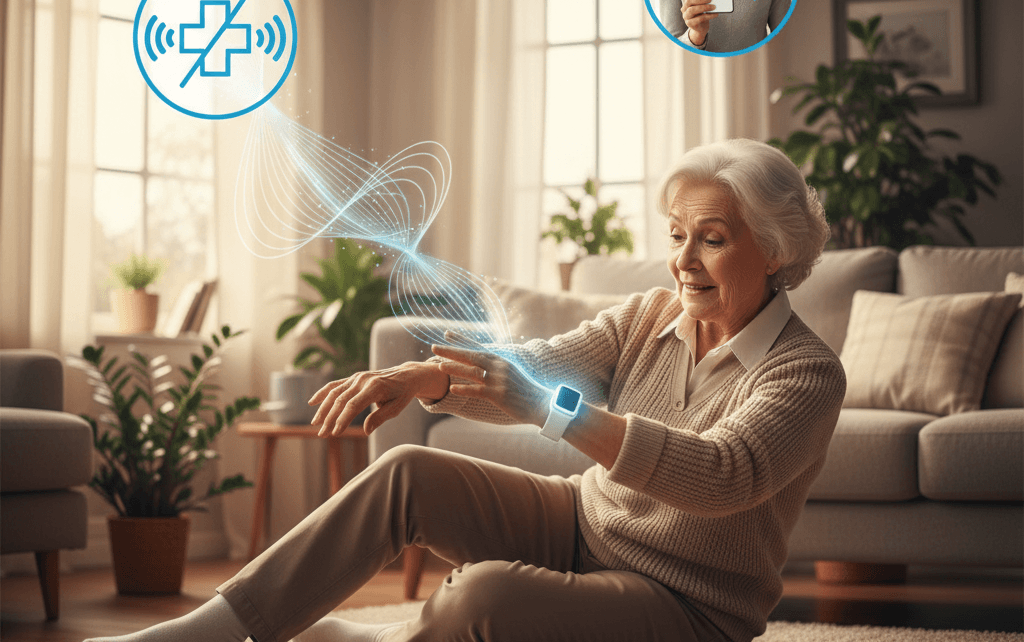
Many people worry about falls, especially as they get older or have certain health conditions. A fall can lead to serious injuries and a loss of independence. Because of these concerns, new technologies have emerged to provide an extra layer of safety. One such innovation is the fall detection alert bracelet.
These devices offer peace of mind for individuals and their families. They promise a quick response if a fall occurs. I understand many people wonder what goes on behind the scenes with these small but powerful tools. How exactly do they sense a fall and get help on the way?
Today, I want to explain the technology that powers these essential safety devices. We will look at the sensors and smart algorithms. We will also explore how alerts are sent out and what makes these bracelets so effective. Understanding these mechanisms helps us appreciate the security they offer.
How Integrated Sensors Detect Falls
At the core of how fall detection alert bracelets work are sophisticated sensors. These small components are crucial for sensing movement and changes in orientation. The most common sensors found in these devices are accelerometers and gyroscopes. They work together to paint a clear picture of the wearer’s physical state.
An accelerometer measures linear acceleration. It can tell when your speed changes in any direction. When you walk, run or fall, the accelerometer records these rapid changes in motion. It recognizes the sudden impact of a fall versus typical daily activities.
A gyroscope, on the other hand, measures angular velocity. This means it detects changes in rotational movement. If you suddenly tilt or spin, the gyroscope registers that motion. Together, these two sensors provide comprehensive data about the wearer’s movement. They give the bracelet a full understanding of its position and motion in space.
The Role of Multi-Axis Sensing
Most advanced systems use multi-axis accelerometers and gyroscopes. This means they can detect movement along the X Y and Z axes. This capability allows the device to capture movement in three dimensions. So, whether a person falls forward sideways or backward, the sensors can register the event accurately. This detailed data is then fed into the device’s internal processing unit.
The processing unit analyzes the sensor readings in real-time. It looks for patterns that match a fall event. It is programmed to differentiate between a sudden drop or impact and other fast movements. Think about sitting down quickly or stumbling without actually falling. The system must be smart enough to tell the difference.
Algorithms and Data Analysis for Accuracy
Sensors gather raw data, but it is the sophisticated algorithms that make sense of it. These algorithms are the brains behind the operation. They process the accelerometer and gyroscope readings. Their job is to distinguish between an actual fall and everyday actions that might look similar.
This is where machine learning comes into play. Many modern fall detection systems use algorithms trained on vast amounts of data. This data includes recordings of various types of falls and also common daily activities. The system learns to recognize the unique signature of a fall. It filters out false alarms from activities like sitting quickly or dropping an object.
For example, a sudden downward acceleration followed by an impact and then a period of immobility is a strong indicator of a fall. The algorithm continuously monitors for these specific patterns. If it detects a combination of movements that strongly matches a fall profile, it triggers the alert process. This constant vigilance is what provides reliable protection for users.
Minimizing False Alarms
Reducing false alarms is a critical aspect of algorithm design. Frequent false alarms can desensitize users and monitoring centers. This could reduce trust in the system. Developers spend a lot of time refining these algorithms. They aim to achieve high accuracy while minimizing inconvenience.
Some devices allow for user customization of sensitivity settings. This lets individuals fine-tune the detection based on their activity levels. This helps prevent alerts during strenuous exercise or quick movements. We see constant improvements in this area, making these devices more reliable with each generation.
The Alert System Mechanism
When a fall is detected, the bracelet needs to communicate that information quickly. The alert system mechanism is designed to be prompt and effective. Most fall detection bracelets have multiple ways to send out an alarm. This ensures help is summoned even if one method fails.
Many devices use cellular technology. They have a built-in SIM card, much like a mobile phone. This allows the bracelet to call or send a text message to predefined contacts or a professional monitoring center. Some models also use Wi-Fi or Bluetooth to connect to a base unit at home. This base unit then uses a landline or cellular connection to transmit the alert.
GPS functionality is another common feature. This is especially important for devices worn outside the home. If a fall happens away from home, GPS pinpointing helps emergency services or family members find the exact location of the fallen individual. This is a critical feature for quick response times.
Connecting to Monitoring Centers
A common setup involves a professional monitoring center. When an alert is triggered, the bracelet automatically connects to this center. Trained operators receive the alert and can speak to the wearer through the device’s built-in speaker and microphone. They can assess the situation and dispatch appropriate help, whether it is an ambulance or a family member. This human element adds a significant layer of reassurance.
Some devices allow direct connection to family or friends as emergency contacts. This option is suitable for users with a strong support network. The system typically attempts to contact family members in a specific order until someone responds. This flexible approach ensures that the wearer always has a way to get help.
Types of Fall Detection Systems
Fall detection systems come in various forms, each designed to suit different needs and lifestyles. Understanding these types helps in choosing the right device. There are passive systems and active systems. Both offer unique advantages for users concerned about falls.
Passive fall detection devices automatically detect falls using their internal sensors. The wearer does not need to press a button for help to be summoned. These are the systems we have been primarily discussing. They offer continuous monitoring, which is ideal for individuals who might be incapacitated or unconscious after a fall. This automatic feature is a significant benefit, providing constant vigilance.
Active fall detection systems, on the other hand, require the wearer to manually press a button to call for help. Some devices combine both features. They automatically detect falls but also include a button for manual alerts. This hybrid approach gives users flexibility and control. It offers an additional layer of safety, letting people call for help even if they have not fallen but need assistance for other reasons.
On-Person Devices and Ambient Sensors
Beyond the detection method, we can categorize systems by where they are located. On-person devices are typically worn as bracelets, pendants, or clips. These are portable and move with the wearer. They are effective because the sensors are always close to the person, ready to detect sudden changes in motion. Their small size and lightweight design make them comfortable for daily wear.
Ambient fall detection systems use sensors placed around the home, not on the person. These can include radar sensors, pressure mats, or camera-based systems. They monitor movement within a room and can detect falls without the wearer needing to wear anything. This approach is useful for individuals who might forget to wear a device. However, ambient sensors typically cover only specific areas of a home. They do not offer protection outside of those monitored zones. Most people find a combination of on-person and ambient sensors provides the best coverage.
Benefits and Limitations of Current Technology
Fall detection technology offers many clear benefits. The most important benefit is the peace of mind it provides. Users and their families know that help can be summoned quickly after a fall. This fast response can significantly improve recovery outcomes. It also reduces the risk of serious complications from being on the floor for a long time. For many, it allows them to maintain independence in their own homes longer.
Another major benefit is the ability to get help even if the person cannot speak or move. The automatic nature of passive fall detection is a lifesaver in such situations. The GPS tracking feature for mobile devices adds another layer of security. It means help can find you wherever you are. This flexibility is crucial for active individuals who want to feel safe when they are out and about.
Addressing Limitations and Accuracy Concerns
No technology is perfect, and fall detection systems have some limitations. False positives are a common concern. These happen when the device mistakenly registers a non-fall event as a fall. For example, some vigorous activities or even simply dropping the device could trigger an alert. While algorithms are constantly improving to reduce these, they can still occur. This is why many systems have a grace period after detection. The wearer can cancel the alert if it is a false alarm.
Conversely, missed falls can also happen. Some falls might not generate enough impact or a specific movement pattern to trigger the sensors. For example, a slow slide to the floor might not be detected as a sudden fall. Factors like the surface fallen on, the wearer’s body type, and how the device is worn can all affect accuracy. This is why I always recommend testing the device regularly. It helps users understand its limits and capabilities. This practice builds confidence in the system.
Choosing the Right Fall Detection Bracelet
Selecting the ideal fall detection bracelet involves considering several important factors. Each person has unique needs and preferences. So, what works well for one individual might not be the best choice for another. I always advise people to think about their daily routines and specific safety concerns first.
Battery life is a practical consideration. Some devices require daily charging, while others can last for several days or weeks. A longer battery life means less worry about charging. This is especially important for those who might forget to charge their device regularly. Comfort and fit are also crucial. The bracelet should be comfortable enough to wear all day and night. It should not cause skin irritation or feel cumbersome. Many options exist, so finding one that feels right is usually possible.
Look at the features offered. Do you need GPS tracking for outdoor activities? Is a two-way communication feature with a monitoring center important to you? Some devices offer additional functionalities like heart rate monitoring or medication reminders. Choosing a device with features relevant to your lifestyle enhances its value. Read reviews and compare different models to get a good sense of what is available and what others experience.
Regular Testing and Maintenance
Once you choose a device, regular testing is key. I tell everyone to test their fall detection bracelet at least once a month. This confirms that the device is working correctly and that the monitoring center or emergency contacts receive alerts. Checking the battery status daily is also a good habit. Proper maintenance ensures the device is ready to protect you when needed. Always follow the manufacturer’s guidelines for care and troubleshooting. This keeps your system in top working condition.
Embracing Safety with Advanced Technology
Understanding how fall detection alert bracelets actually work helps us appreciate their value. These devices blend clever sensor technology with intelligent algorithms. They provide a critical lifeline for many individuals. From accelerometers measuring movement to gyroscopes detecting orientation changes, each component plays an important role. These sensors feed data to smart algorithms. These algorithms differentiate a real fall from everyday activities. This intricate process ensures reliable detection and minimizes false alarms.
The alert system then springs into action using cellular GPS or Wi-Fi to connect with monitoring centers or emergency contacts. This rapid communication is essential for getting timely help. Various types of systems exist, including passive automatic detection and active manual alert options. On-person wearables offer constant vigilance, while ambient sensors can provide coverage in specific home areas. I believe that while these technologies offer incredible benefits like peace of mind and swift response, they also have limitations like potential false positives or missed slow falls. We must choose wisely and maintain our devices to maximize their effectiveness. Considering a fall detection bracelet means investing in greater safety and independence for yourself or a loved one.